

Every day, marketers are making bold claims about the impact of AI on SEO.
The issue?
Many of these assertions are only partially accurate.
“SEO is no longer relevant.”
“Long-form content has lost its value.”
“AI-driven SEO is merely an extension of traditional SEO.”
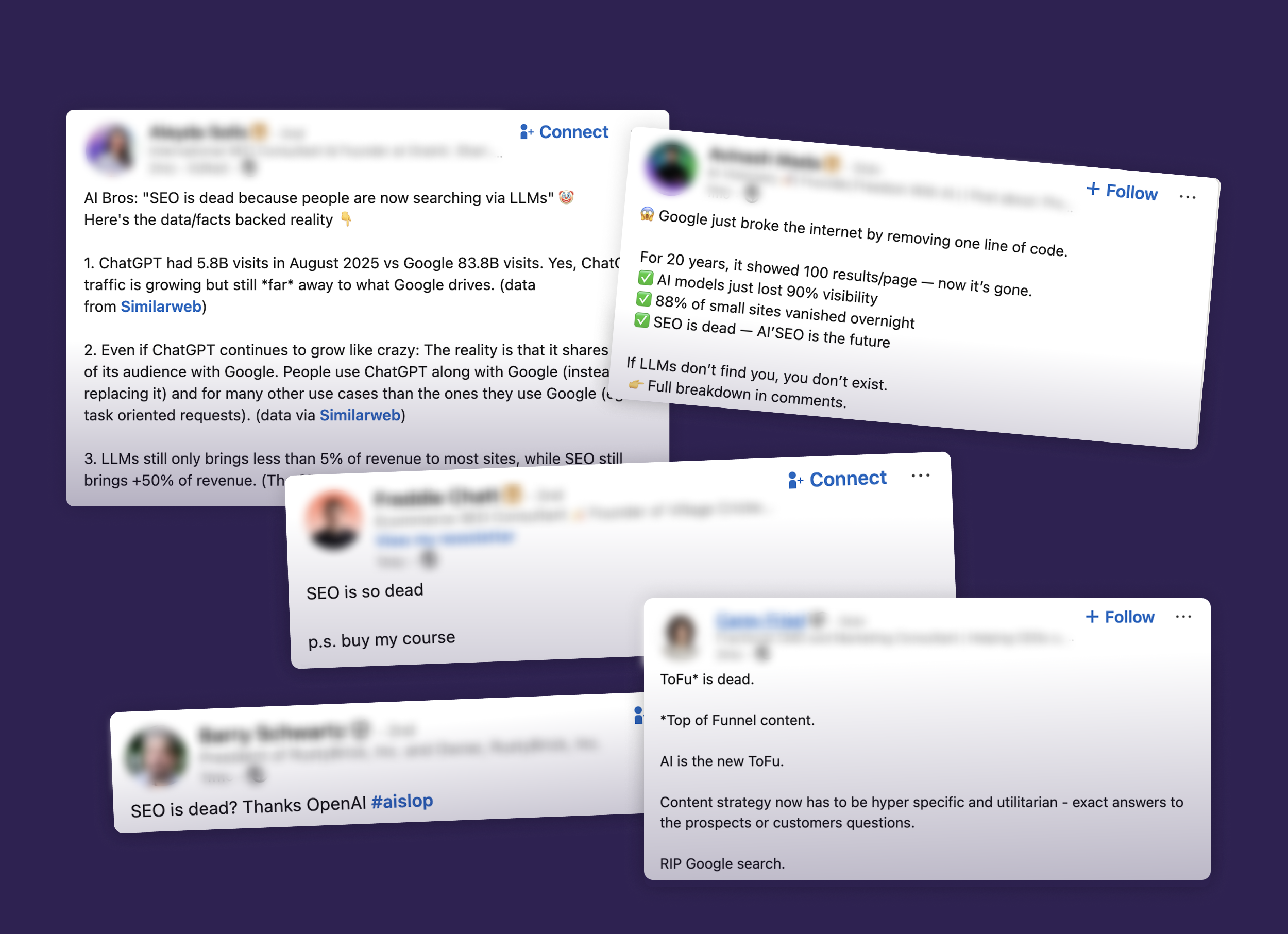
Let’s set the record straight:
When discussing AI, the answers are rarely straightforward.
Are you aiming to appear in ChatGPT or Google’s AI Overviews?
Do you want AI to recommend your brand or reference your content?
Is the AI model utilizing training data or real-time web results?
Each of these scenarios requires a distinct approach.
Generalizations only lead to misunderstandings.
Therefore, let’s bypass the hype and delve into specifics.
This guide critically examines the most prevalent AI myths in SEO, revealing what is accurate, what is misleading, what is nuanced, and what all of this means for your marketing strategy.
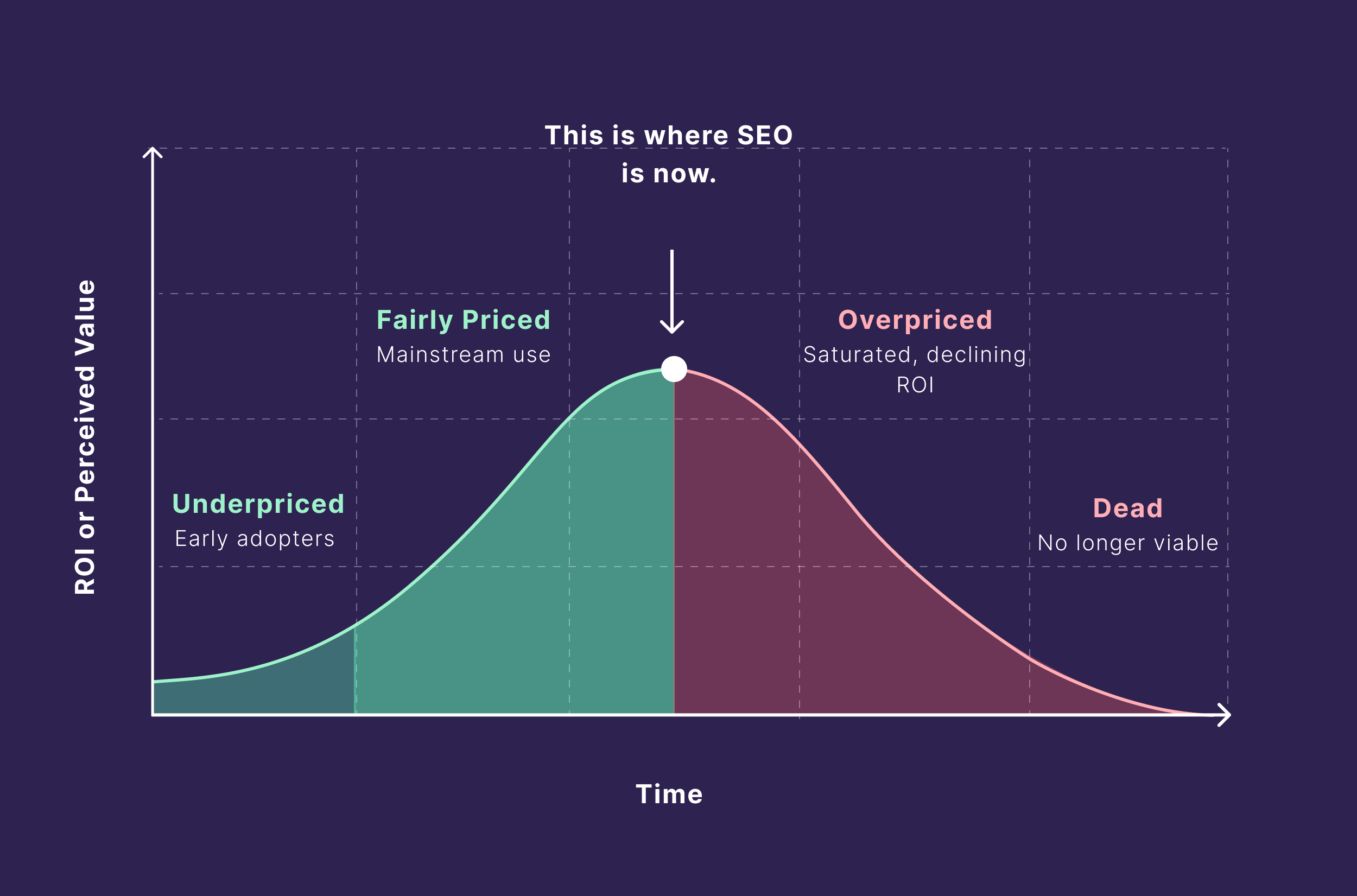
1. Is SEO Really Dead?
False.
However, it has become more challenging than in the past.
AI Overviews are capturing a significant share of clicks.
The volume of content available online has surged.
Moreover, user search behavior has become increasingly fragmented.
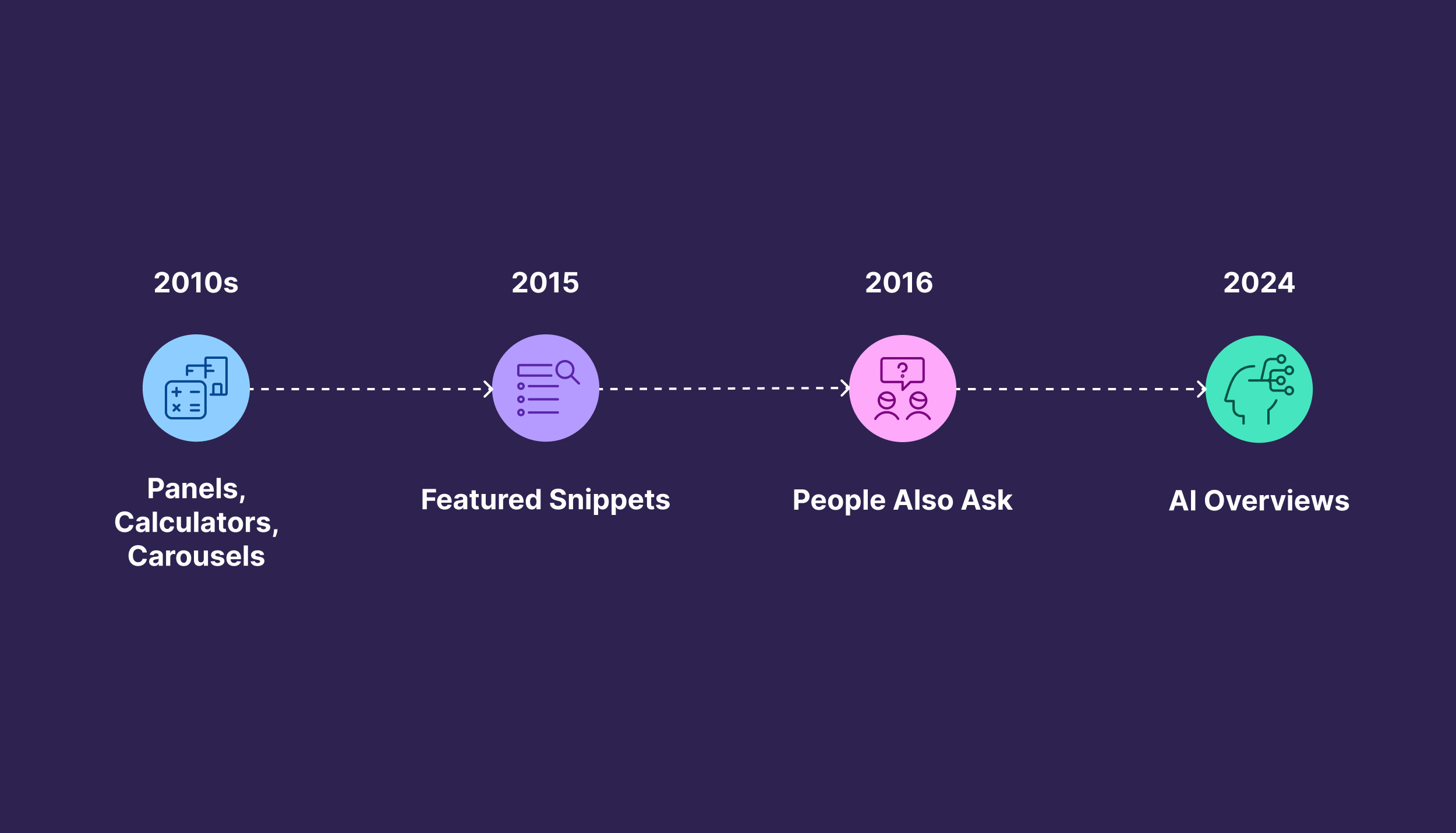
Nevertheless, this does not imply that SEO is obsolete.
What’s the Current Landscape of SEO?
The global SEO market continues to thrive, growing at a remarkable 16.7% annually.
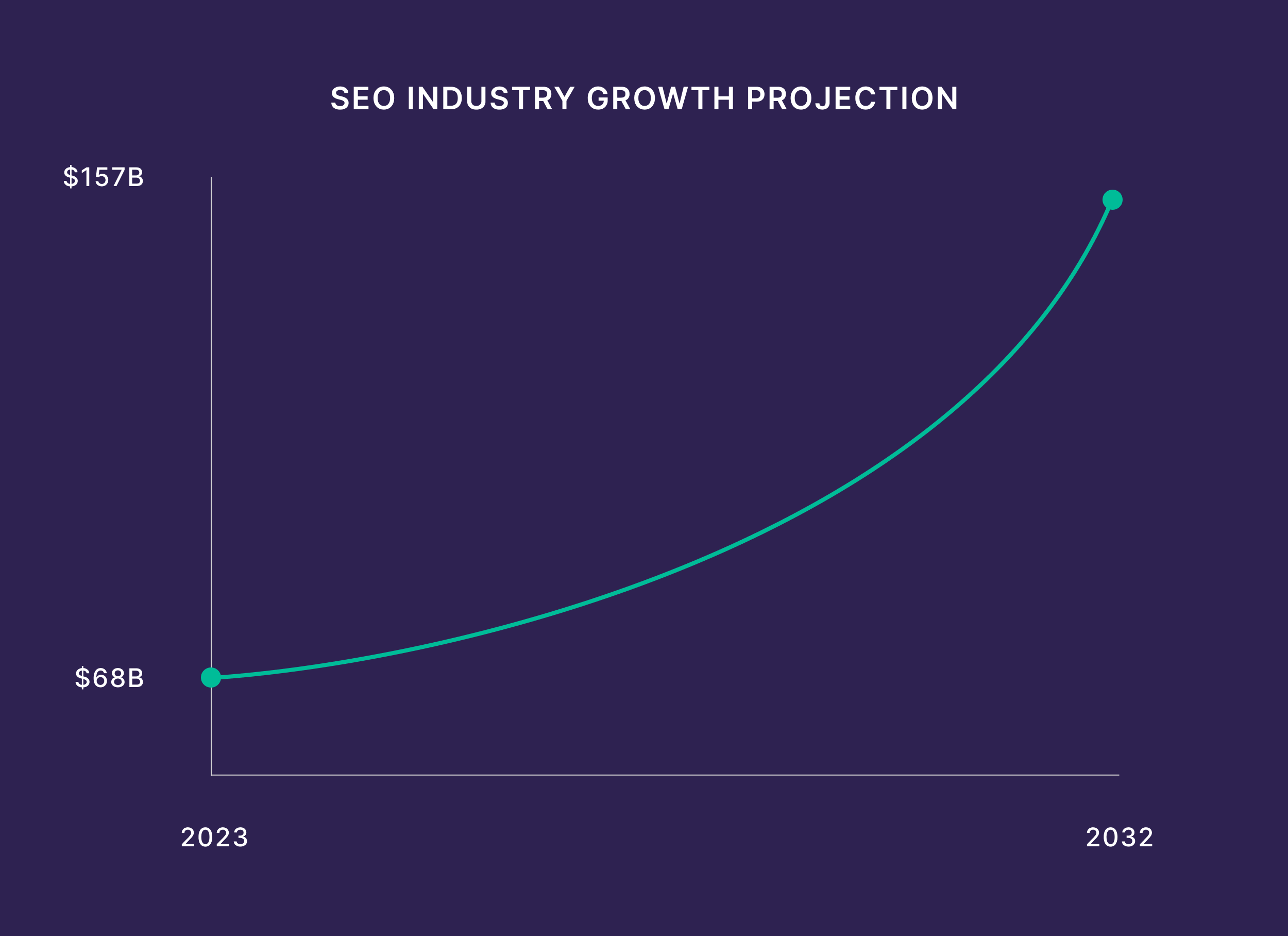
Additionally, Google Search continues to expand, as indicated by Exploding Topics.
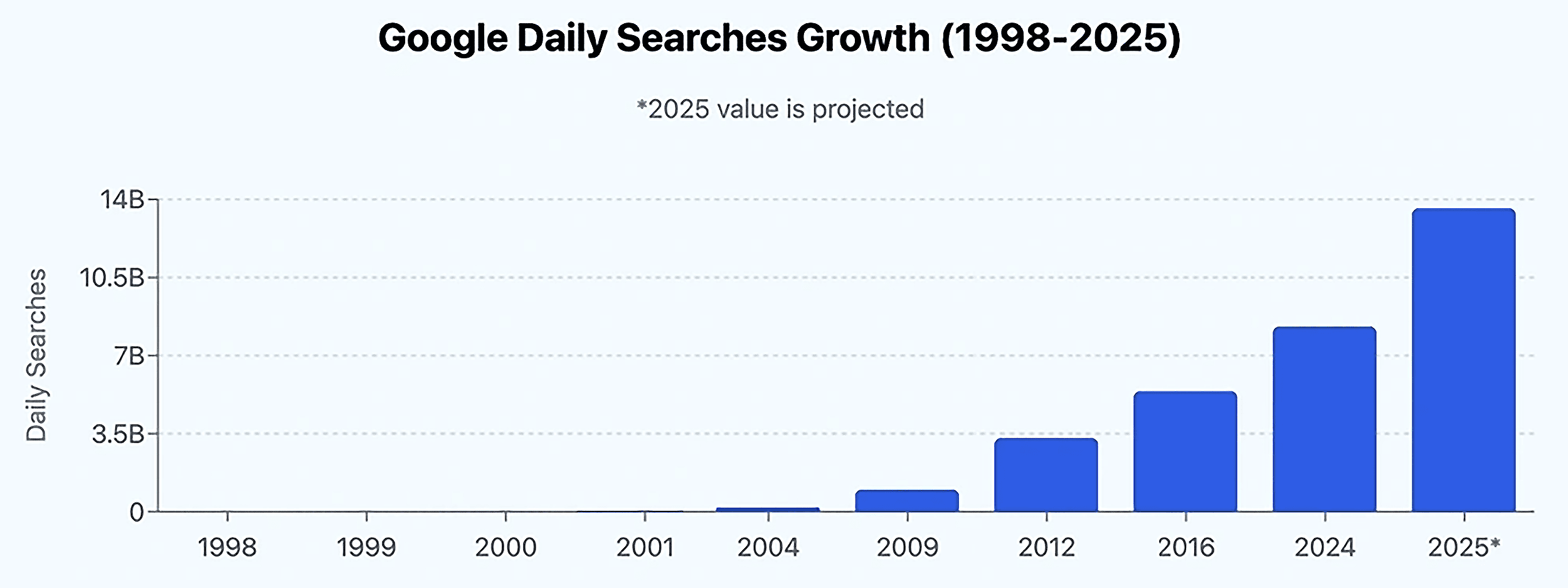
Furthermore, it appears that AI tools are enhancing search capabilities rather than replacing them.
A Semrush study involving 260 billion clicks revealed that Google usage has not diminished post-ChatGPT adoption.
2. The Value of Long-Form Content in SEO
True.
Long-form content remains a critical component of effective SEO strategies.
Research indicates that articles exceeding 2,000 words tend to rank higher in search results.
In fact, long-form content generates 77% more backlinks than shorter articles.
Here’s why long-form content is still relevant:
- In-depth Information: Longer articles provide comprehensive insights, addressing user queries more thoroughly.
- Higher Engagement: Users tend to spend more time on pages with extensive content, signaling to search engines that the content is valuable.
- More Shareable: Detailed articles are more likely to be shared on social media, increasing visibility and traffic.
How to Optimize Long-Form Content
To maximize the effectiveness of long-form content, consider the following strategies:
- Use Clear Headings: Break up content with H2 and H3 headings to enhance readability.
- Incorporate Visuals: Use images, infographics, and videos to complement the text and keep readers engaged.
- Include Internal Links: Link to other relevant articles on your site to improve navigation and SEO.
- Optimize for Featured Snippets: Use concise answers to common questions within your content to increase chances of appearing in snippets.
3. AI SEO: Is It Just Good SEO?
Partially True.
AI SEO incorporates traditional SEO principles but also introduces new methodologies.
While foundational SEO practices remain essential, AI tools can enhance various aspects of SEO, including:
- Keyword Research: AI can analyze vast amounts of data to identify trending keywords and phrases.
- Content Creation: AI can assist in generating content ideas and even drafting articles based on specific guidelines.
- User Experience Optimization: AI tools can analyze user behavior to suggest improvements for website design and functionality.
Benefits and Limitations of AI in SEO
While AI offers numerous advantages, it also has its limitations:
Advantages:
- Efficiency: AI can process data and generate insights much faster than humans.
- Data-Driven Decisions: AI tools provide actionable insights based on real-time data analysis.
- Scalability: AI can help manage and optimize large-scale SEO campaigns effectively.
Disadvantages:
- Lack of Creativity: AI may struggle to produce unique, creative content that resonates with audiences.
- Over-Reliance: Relying too heavily on AI can lead to a lack of human touch in marketing strategies.
- Data Privacy Concerns: Using AI tools often involves handling sensitive data, raising privacy issues.
4. The Future of SEO in an AI-Driven World
As we move into 2026, the landscape of SEO will continue to evolve alongside advancements in AI technology.
Here are some trends to watch:
- Increased Personalization: AI will enable more personalized search experiences, tailoring results to individual user preferences.
- Voice Search Optimization: With the rise of voice-activated devices, optimizing for voice search will become crucial.
- Visual Search Growth: AI advancements will enhance visual search capabilities, making image optimization more important.
Preparing for the Future of SEO
To stay ahead in the evolving SEO landscape, marketers should:
- Embrace AI Tools: Integrate AI into your SEO strategy to enhance efficiency and effectiveness.
- Focus on User Experience: Prioritize user experience to meet the expectations of an increasingly discerning audience.
- Stay Informed: Keep up with the latest trends and updates in SEO and AI technology.
Frequently Asked Questions (FAQ)
Is SEO still relevant in 2026?
Yes, SEO remains highly relevant as the digital landscape continues to grow, with new opportunities arising from advancements in AI and technology.
How important is long-form content for SEO?
Long-form content is crucial for SEO as it tends to rank higher and generate more backlinks compared to shorter articles.
Can AI replace traditional SEO practices?
AI can enhance traditional SEO practices but cannot fully replace them. Human creativity and strategy remain essential.
What are the benefits of using AI in SEO?
AI offers benefits such as increased efficiency, data-driven insights, and scalability for managing SEO campaigns.
What should marketers focus on for future SEO strategies?
Marketers should focus on embracing AI tools, enhancing user experience, and staying informed about the latest trends in SEO and AI technology.
Leave a Comment